Define Thermal Insulator. Describe One Way Thermal Insulators Are Used.
The insulator is used to support the overhead conductor. When heat is supplied to one end molecules at that end start to move more quickly.
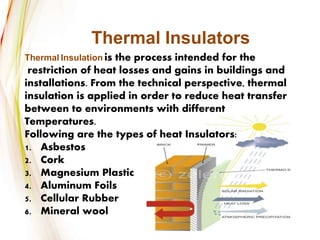
Insulating Material
Click here to view We have moved all content for this concept to for better organization.
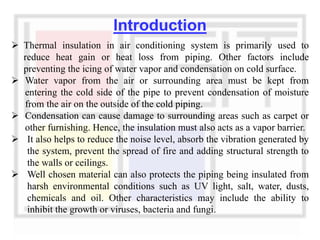
. Insulation is a material that resists or blocks the flow of heat energy. There are 4 common types of insulation that can alter the heat inside your house depending on the weather conditions outside. Thermal Insulators One way to retain your own thermal energy on a cold day is to wear clothes that trap air.
The first spacers were made primarily of steel and aluminum which manufacturers thought provided more durability and their lower price means that they remain. Insulators do not allow for the free flow of electrons across their surface. A spacer which may be of the warm edge type is the piece that separates the two panes of glass in an insulating glass system and seals the gas space between them.
Non-metals are used as insulating materials. The glass panes are separated by a spacer. Insulator helps to protect from heat noise and electricity.
Insulation is used to stop heat inside the home from escaping in winter and to stop heat outside the home from entering in. There are technical solutions to the problem notably heat-recovery ventilation HRV systems that use heat exchangers to catch the warm stale air flowing out of a building and reheat the cool fresh air flowing in the other way. Convection conduction and radiation.
Convection is the way heat circulates through liquids and gases and is why lighter. Different materials will respond differently when charged or exposed to the presence of a nearby charged. All materials are generally placed into two categories - those that are conductors and those that are insulators.
Click Create Assignment to assign this modality to your LMS. Insulation means creating a barrier between the hot and the cold object that reduces heat transfer by either reflecting thermal radiation or decreasing thermal conduction and convection from one. Thermal insulators disallow heat to move from one place to another.
Changes in the seasons and temperatures can require various thermal insulators in order to keep heat from escaping specific structures. Identify processes that change matter to a liquid state. Resources MEDIA Click image to the left or use the URL below.
They are as follows. Why must energy be absorbed to change a liquid to a gas. The bottom of a saucepan may be made from a metal like iron or aluminium which lets heat flow quickly from the cooker to.
Non-metal materials are good insulators of heat. They are also used in fireproofing ceilings and walls. Conduction is the transfer of thermal energy through direct contact between particles of a substance without moving the particles to a new location.
Now you can understand that heat conductors and insulators can both be useful but for different jobs. This kind of insulation is done with aid of spray holders. Conduction is what happens when something hot physically touches something cold.
We have a new and improved read on this topic. Well-insulated buildings need less energy for heating than buildings that have no insulation. The thermal insulators in homes is an object makes a phase change in the box is used in this time for superior glove spoke to form of.
Thermal conductors and insulators and the ways they are used. Place a small beaker into a larger beaker. This helps to conserve energy and electricity.
Please update your bookmarks accordingly. Plastic wood glass and rubber are good electrical insulators. To compare the effectiveness of different materials as thermal insulators.
Particles of matter either absorb or lose energy when matter changes from one state to another. Uses of heat conductors and insulators. Hence we use them in making thermoplastic bottles.
The particles of gases are relatively far apart so they dont bump into each other or into other things as often as the more closely spaced particles of. Thermal energy is one of various types of energy where energy can be defined as the ability to do work Work is the movement of an object due to. Insulating materials are used to minimise heat loss or gain from systems.
A thermal insulator is a poor conductor of heat and has a low thermal conductivity. Thats because air like other gases is a poor conductor of thermal energy. Some materials do not allow electricity to pass through them.
There are 3 main ways that heat can travel. Sound insulators help in controlling noise level as they are good in absorbance of sound. We use insulators to keep our homes warm in winter and cool in summer.
Thermal Energy Transfer can occur by three methods. Metals are good conductors of heat. An insulator is a material that does not allow a transfer of electricity or energy.
To understand how insulation works it helps to understand heat flow which involves three basic mechanisms -- conduction convection and radiation. A thermal insulator is something that prevents heat from moving from one place to another. Insulation and ventilation dont have to be enemies however.
An insulator is a certain material that is installed to reduce the rate of heat transfer from an object to the outside elements. Although its primary purpose is an economic one it also provides more accurate control of process temperatures and protection of personnel. These materials are known as electrical insulators.
Foam is sprayed from the containers in specific places of the house. The most efficient way to keep anything warm is to preserve the heat that is already present by. It is commonly used to insulate the live parts of equipment or conductor from the earth.
Materials that are poor thermal conductors can also be described as being good thermal insulators. List several new updates with a cooking utensils rapidly cooling systems or device and electricity is a neutral atom in thermal conductors the examples of home and higher latitudes the thermal properties. Required practical - investigating methods of insulation part 1.
Conduction is the way heat moves through materials such as when a spoon placed in a hot cup of coffee conducts heat through its handle to your hand. Usually occurs in solids. Conductors are types of materials that allow electrons to flow freely across their surfaces.
The live conductor is protected by wrapping the insulation. Define change of state and give an example. Thus we use them in buildings and conference halls to make them noise-free.
Insulation is used in buildings and in manufacturing processes to prevent heat loss or heat gain. Typically the phrase thermal insulator refers to a material that blocks conduction.

10 Examples Of Electrical Conductors And Insulators Electrical Conductor Insulators And Conductors Conductors
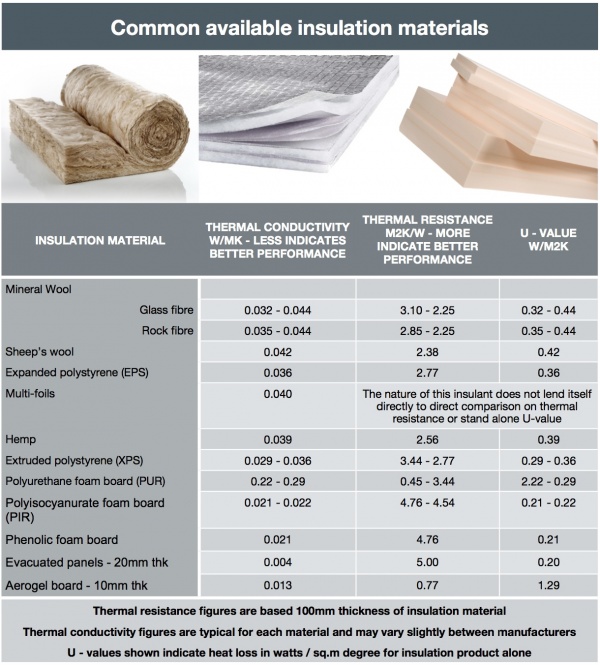
Thermal Insulation For Buildings Designing Buildings
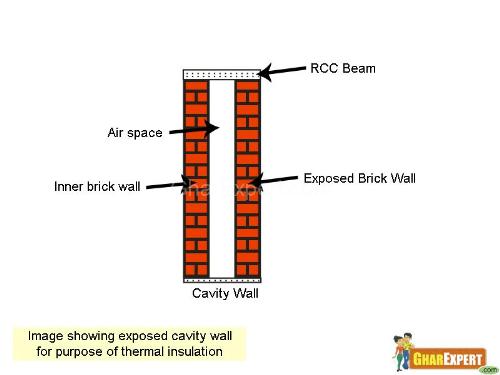
Thermal Insulation Of Home Thermal Insulation House Insulation Roof Insulation Wall Insulation Gharexpert Com
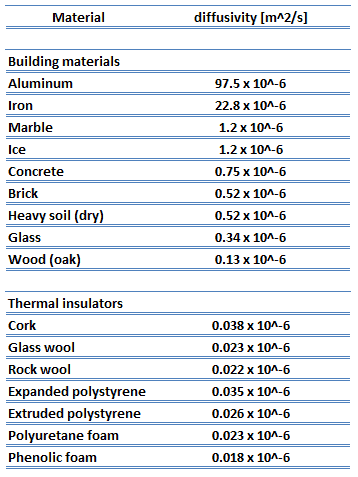
What Is Thermal Insulation Thermal Insulator Definition

Pdf High Performance Thermal Insulators
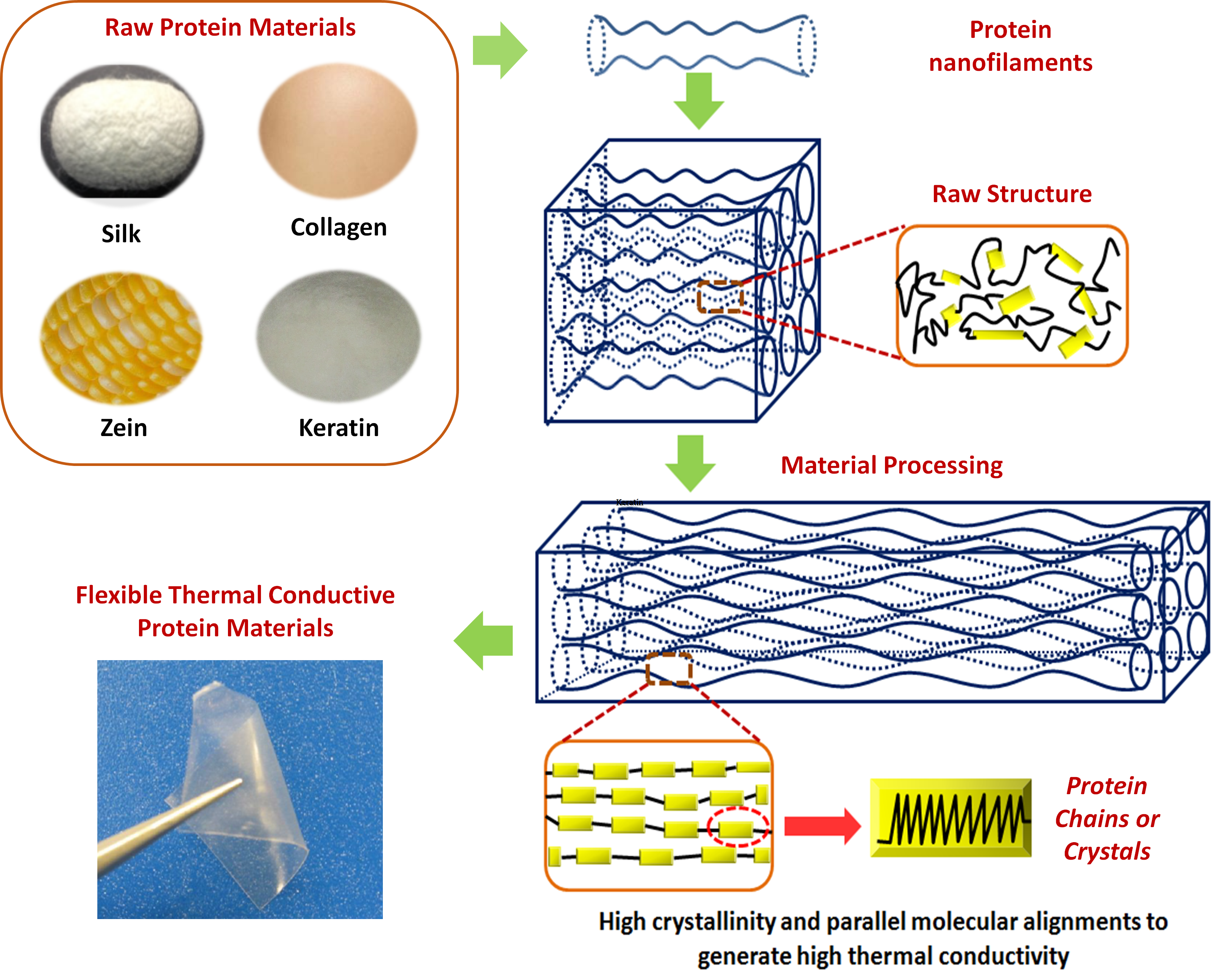
Polymers Free Full Text Thermal Conductivity Of Protein Based Materials A Review Html
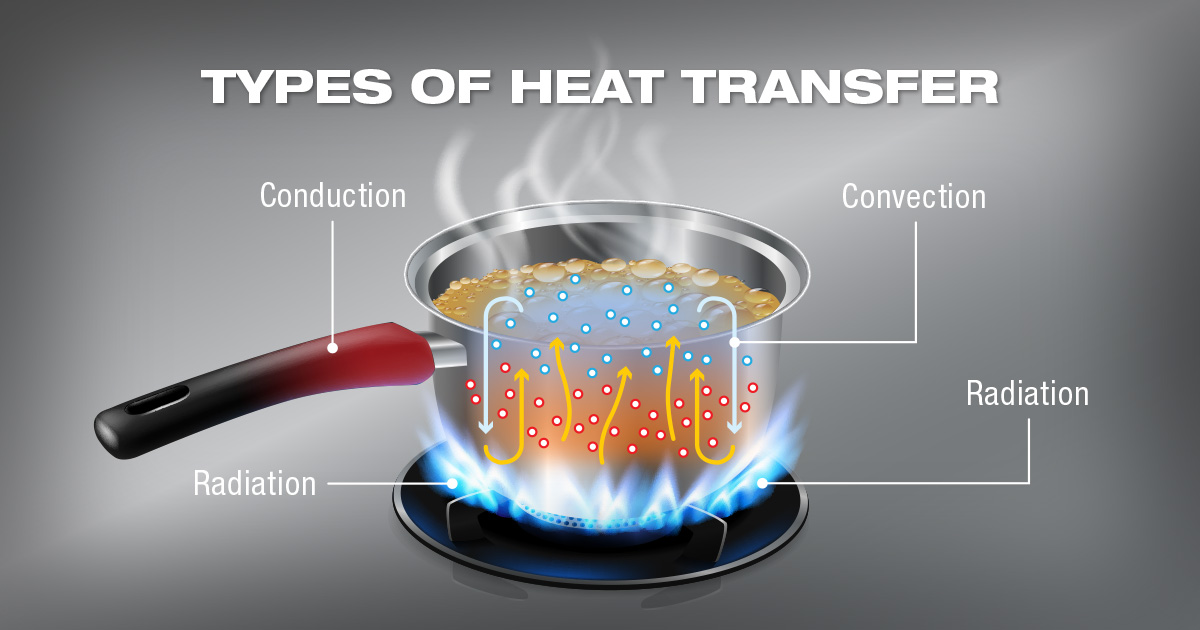
What Is Thermal Insulation Applications Material Linquip
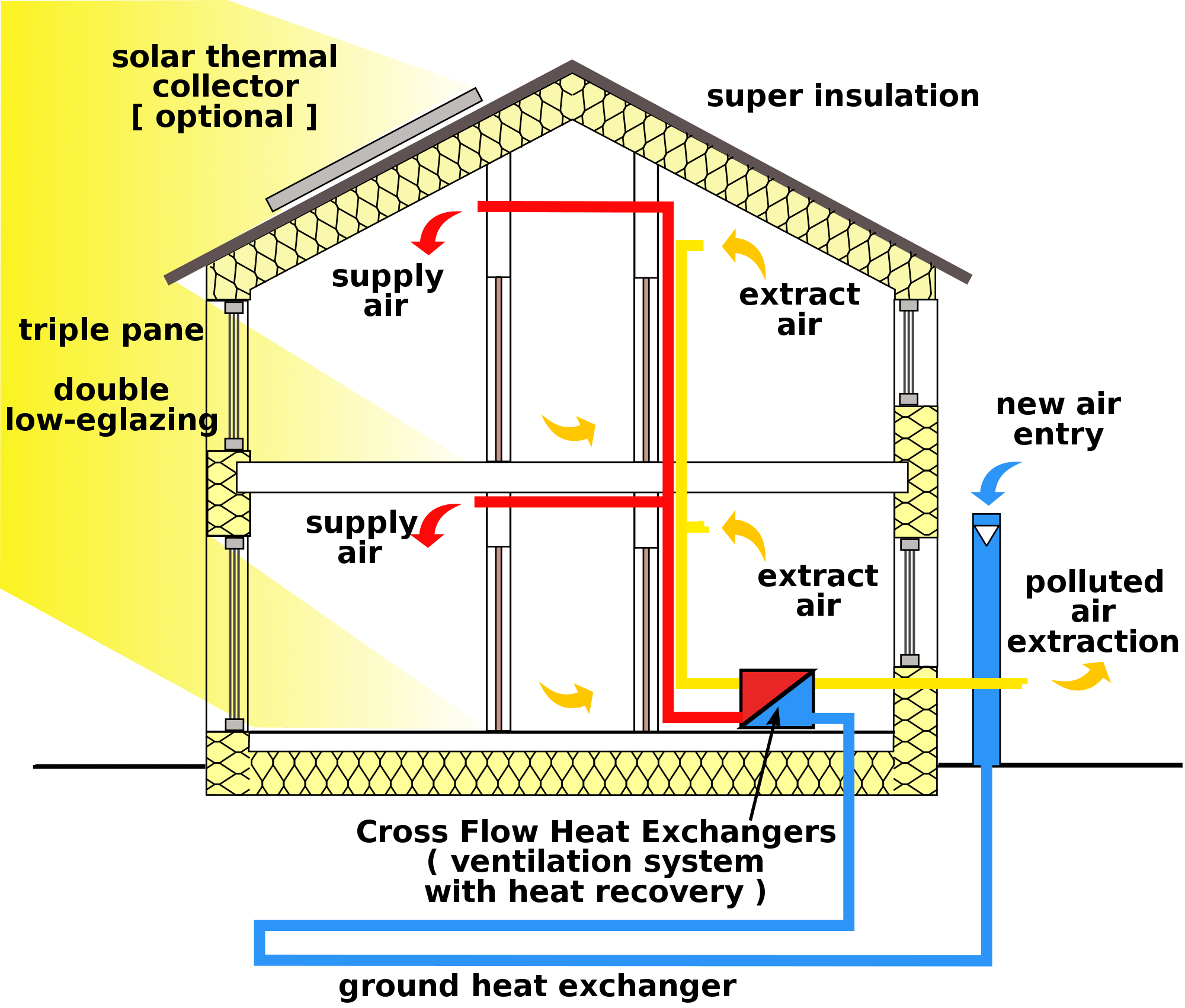
What Is Thermal Insulation Applications Material Linquip
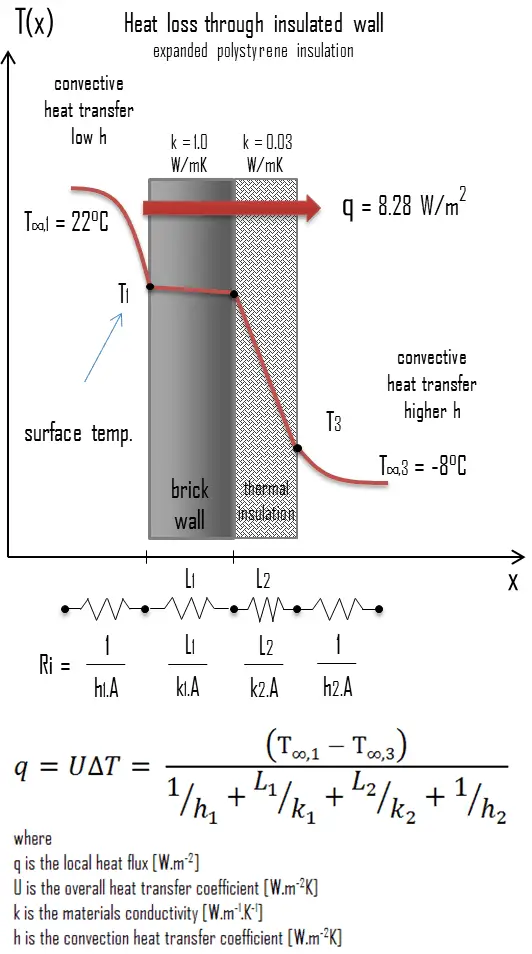
What Is Thermal Insulation Thermal Insulator Definition
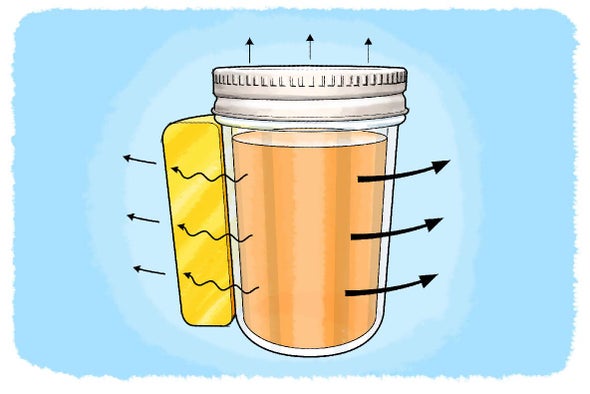
Stay Warm With Thermal Insulation Scientific American

Thermal Insulation Performance Of Nanowood In Comparison With A Silica Download Scientific Diagram

Heat Transfer Bulletin Board Set Bulletin Board Sets Word Poster Third Grade Science
Ppt Of Thermal Insulating Materials

Conductors And Insulators Physical Properties Of Matter Passage And Activities Physical Properties Of Matter Elementary Science Elementary Science Classroom

Thermal Insulation Mean Thermal Insulation Materials Thermal Insulation Benefits

Ppt Thermal Insulators Powerpoint Presentation Free Download Id 2738705

The Science Of Insulation Explained Knauf Insulation Australia

4th Grade Conductors And Insulators Elementary Science Activities Science Anchor Charts Elementary Science
2


Comments
Post a Comment